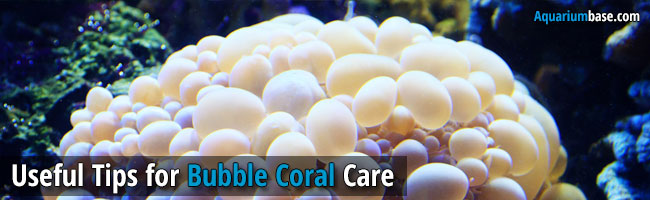
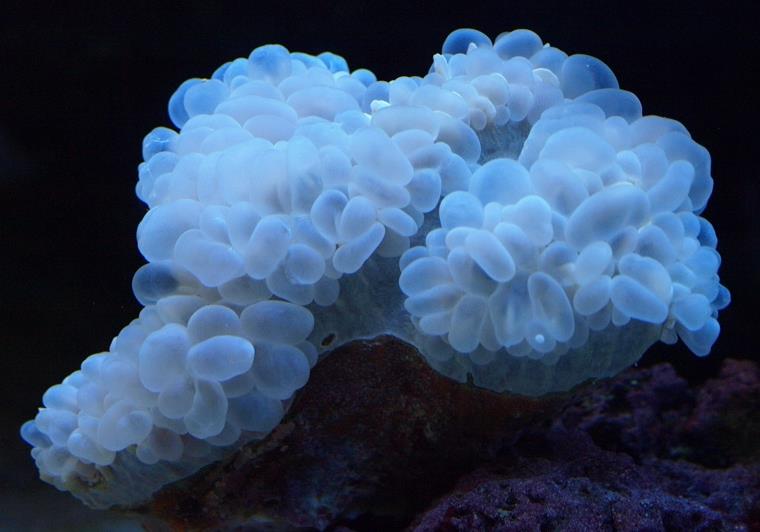
Bubble Coral is a beautiful living addition to a saltwater aquarium. Addition to the small saltwater fish and live rock, corals become a nice decoration for reef aquariums. But proper coral care has to be clearly understood before you add these living beings to your home tank. When you decide to add coral to a home saltwater aquarium, it is important to realize that coral is alive and requires the same level of care as your fish. So get up to speed on proper coral care before you take this beautiful creation home.
Bubble Coral Care and Placement
There are many different species of coral, but bubble coral is the species usually found in reef aquariums. There are three subspecies within the bubble coral family: grape bubble coral, pearl bubble coral, and simple bubble coral. Since all species of coral require the same type of care, we will go over the coral care requirements for the bubble coral in this article.
Bubble Coral Placement
Before you add any live coral to your home saltwater aquarium, you must consider a few things in order to place the coral properly within the aquarium environment. Bubble coral placement, for example, needs sufficient space because they possess long, stinging tentacles. Usually, their tentacles are retracted, but they extend after dark when the coral feeds. If you place another coral too close, they may be stung. It is recommended that all coral pieces in your saltwater aquarium be no less than 6 inches apart.
In addition to using care when placing coral inside your aquarium, you must also consider the amount of light and where it comes from. If the tube light in the aquarium hood is the only source of light in your tank, you want to be sure and place your coral near the surface so they will get sufficient exposure. If you have more than one light source in your aquarium, your coral should do fine just about anywhere.
Also keep in mind that bubble coral placement should not be placed close to the filter or any other source of movement within the water. This type of coral does better in areas where the water is relatively still. Too much water movement causes bubble coral to keep their vesicles closed, and this will eventually kill them.
Bubble Coral Care
Now that you know what you need to consider before placing your bubble coral in your home saltwater aquarium. Let’s move onto daily bubble coral care. As we said above, coral is a living creature. As such, it needs food to stay alive. Bubble coral eats shrimp or small bits of clam, and you should feed them one or two times per week. All you have to do is put their food on one of the polyps located along the coral, then your coral friend will trap the food in its tentacles or vesicles and gobble it right up. Overfeeding is unhealthy for both your coral and the other fish in your tank, so don’t do it.
It is vital that you keep your reef aquarium clean and free of algae because algae can cause damage or even death. Clean your aquarium on a regular basis, and you won’t have to worry about the effects of algae on coral at all. And, maybe you need saltwater clean-up crew to clean up your aquarium naturally. Flatworms can also be a problem for bubble coral. Flatworms create circle-shaped spots on the vesicles, but they are usually not dangerous or deadly. If your coral becomes covered with these spots, however, take care of the problem quickly before it gets any worse.
Coral is a beautiful living addition to your saltwater aquarium, but before you make this commitment you have to understand the special attention that coral requires. Thoroughly research whatever species of coral you decide on, and then make sure you take all appropriate steps before you add the coral to your aquarium. As long as you attend to proper coral care, you will treasure the coral in your tank.
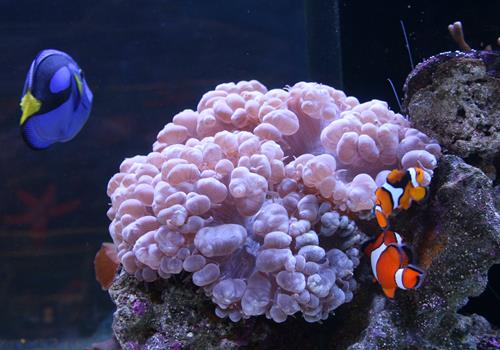
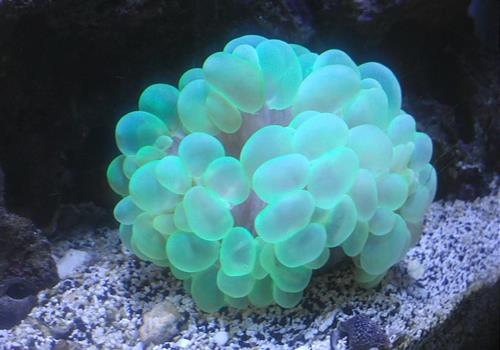

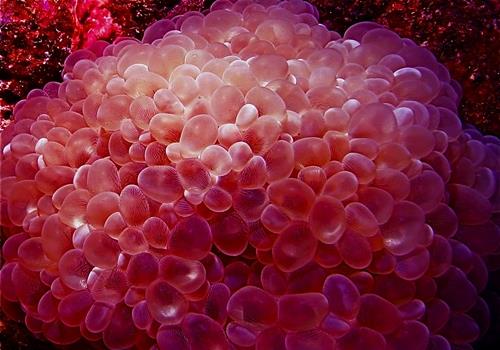
Care Level: Easy
Placement: Bottom
Temperament: Aggressive
Color Form: Green, White, Yellow
Lighting: Moderate
Waterflow: Low to Medium
Water Conditions: 72-78° F, dKH 8-12, pH 8.1-8.4, sg 1.023-1.025
Supplements: Calcium, Strontium, Trace Elements
Origin: Australia, Fiji, Indonesia, Maricultured – Tonga, Solomon Islands
Family: Euphyllidae
Toni White says
Thank you for this easy to understand advice,