• Skip to primary navigation
  • Skip to main content
  • Skip to primary sidebar
  • Home
  • About Us
  • Privacy Policy
  • Terms of Service
  • Affiliate Disclosure
  • Contact Us

Aquarium Base

Trusted online aquarium guide

  • Freshwater
  • Saltwater
  • Reviews
  • Tips & Guide

Saltwater

Saltwater System Backup – Battery Backup for Aquarium

By Aquabase | Last Updated Oct 29, 2023

saltwater aquarium backup

Today I had the most dreaded scenario for any saltwater aquarium… the power went out! This isn’t the first time this has happened and like many aquarists, I just stick my head in the sand and think it doesn’t happen that often, it’ll be fine. I have literally no backup options for my saltwater aquarium equipment.

With no power, the saltwater aquarium was absolutely still, almost lifeless, the corals were closing up and the fish looking confused. Luckily I had a broken leg and didn’t need to leave home that day, so I had a small bucket and just stirred and turned the water over every 15 minutes, ensuring sufficient temporary water movement within the saltwater aquarium. Long story short, the power came on after three hours and everything was fine, but it got me thinking. What if this happens again? what if I’m not home? What kind of saltwater aquarium backup systems are out there?

Saltwater Aquarium Backup Systems

1. Battery Backup for Aquarium

battery backup for aquarium

If you own a Vortech pump like me, this could be the best backup solution for your saltwater aquarium. EcoTech Marine offers battery backup for an aquarium which can provide up to 30 hours of backup power for your Vortech pump. The system comes with a trickle charger and will ensure you are ready for any situation.

vortech mp40w propeller pump
VorTech MP40W Propeller Pump Backup Battery

Vortech pump on its own can maintain your saltwater aquarium in a power out. It provides plenty of flow and if positioned correctly it will break the surface of the water and aerate. This could effectively be used alongside other backup methods like a generator and will ensure you are not caught off guard. I personally am ordering one of these at the moment for my saltwater aquarium.

2. UPS Backup

Aquarium UPS backup

UPS backup systems are battery-powered and are positioned between the main power and your saltwater aquarium equipment. UPS battery backup for aquarium systems becomes active when the power goes out, which is a good option if you are on holiday. The problem with UPS systems is that they can drain relatively quickly. To overcome this it is recommended that you only connect saltwater aquarium equipment that is necessary for the livelihood of your fish and corals. Another benefit of UPS backups is that they also provide a constant level of power to your aquarium equipment and nullify the effect of small power surges that can ruin your equipment. Once again, calculate your load using watts and work out which model will work best for your saltwater aquarium.

By only connecting essential equipment to the UPS backup, you will gain considerably longer periods of backup power. Equipment such as your lights and heater draw the most power and in a power-out scenario, not having them operating would not greatly harm your saltwater aquarium, unless it was for a relatively long period.

3. Inverter Generators

Inverter Generators

By far the best option for long-term power outages is Inverter Generators. These run on fuel and therefore they have the ability to run for lengthy periods of time. There are several options available and you will need to work out roughly how many watts your saltwater aquarium equipment will draw when so you can select the correct generator.

Essentially an inverter generator will allow you to run your entire saltwater aquarium for as long as you can provide fuel. If you would like to run all of your saltwater aquarium equipment then you will most likely require a 2000 watt inverter. The price difference between a 2000 watt and smaller models is not huge and it is worth spending the extra money, you may have some spare load for your beer fridge!

There are plenty of other aquarium backup battery operated devices such as aerators and pumps that could also be used, however, they should only be considered for small aquariums and as a temporary solution.

Saltwater Aquarium Sand

By Aquabase | Last Updated Jan 27, 2019

saltwater aquarium sand

Saltwater aquarium sand is not just any old sand; it generally comprises of what is commonly known as “live sand”. Live sand is a substrate that has been sourced from a coral reef, or alternatively, it is cultured from non-living coral sand. (Read also another substrate for the aquarium here). The term “live” refers to the micro and macro-organisms that are naturally present within the substrate. Live sand provides your underwater ecosystem with beneficial bacteria aiding in water purification and general stability. The microorganisms within your aquarium sand will assist in consuming organic waste within the substrate layer in addition to providing a natural source of food for many of the inhabitants.

Regular types of sand such as beach or builders sand must be avoided at all costs. Not are many of them unsightly in an aquarium, they commonly contain silicates which will almost guarantee algae problems in your aquarium that you will find impossible to rectify. Saltwater aquarium sand must consist of live sand or aragonite material.

Sand for Saltwater Aquarium?

Where to buy? It is recommended that saltwater aquarium sand be purchased from reputable dealers specializing in reef aquariums. You should source live sand from suppliers who obtain it directly from the ocean or specialize in the cultured live sand. It is not possible to visually identify live sand, therefore, buying from a reputable dealer will ensure you are buying a quality product. If you are having your live sand shipped, ensure that the transit time is minimal as die-off can occur. The quicker you can get it, the better and more effective it will be during the cycling process of your tank.

How Much Sand Should I Use?

It is important to regulate how much live sand is being used as too much will increase the biological load of the tank, therefore, putting a higher strain on your filtration equipment. If filtration equipment is not filtering water at the correct levels, the saltwater aquarium ecosystem will be under threat and algae growth will occur. As a general rule of thumb, enough saltwater aquarium sand should be added to the tank to provide a 1-3/4 to 2 to 2-inch substrate layer. For a more accurate measurement, you should be using approximately 1.45 pounds of saltwater aquarium sand per gallon. Therefore for a 55-gallon tank you will require 80 pounds of the substrate.

How to Add Saltwater Aquarium Sand

Essentially when it comes to adding your substrate there are three different setup options available. When setting up your aquarium you can choose to have 100% live sand. However, this can be very costly. Sometimes this can be detrimental due to the large biological load added to the tank at once and can strain your filtration equipment.

Alternatively, a combination of live sand can be mixed with another suitable substrate. Mixing the two will allow the conversion of the non-living part into the live sand as the bacteria and micro organisms multiply and colonize through the entire mix. This is much more cost effective and will only require a slight increase in cycling time. Aragonite is a common type of substrate used to mix with live sand and is much cheaper at approximately $1 per pound.

If you are on a tight budget, the final option is to use 100% non-live sand. The non-live substrate will convert to live sand over time with the increase of bacteria and microorganisms in the tank naturally, alternatively, there are additives to speed up the process. Generally, this method will increase your overall cycling time greatly. This is not recommended if you are impatient!

When adding the live sand for saltwater aquarium it should be done at a slow pace as to avoid disturbance to the water and clouding. Do not pour the substrate directly over any live rock as this will suffocate them causing oxygen depletion and possible death.

Maintenance of Saltwater Live Sand

Your substrate layer will also require cleaning as part of your ongoing saltwater aquarium maintenance. Mainly regular siphoning of the saltwater aquarium sand may be needed to remove any excess waste or uneaten food matter. However, the secret to this task is the addition of janitors or cleaners to your tank.

Your aquarium should incorporate inhabitants that will stir or turn over the live sand. This will ensure excess food matter and waste is filtered and keeps the saltwater aquarium sand in a continual cleaning cycle. There are a variety of crustaceans, fish, and invertebrates from hermit crabs to starfish that will not only turn over the substrate but also recycle waste matter and excess food, making your job easier. Just like adding any inhabitant to your tank it is important to do your research and ensure that they are compatible with your existing creatures.

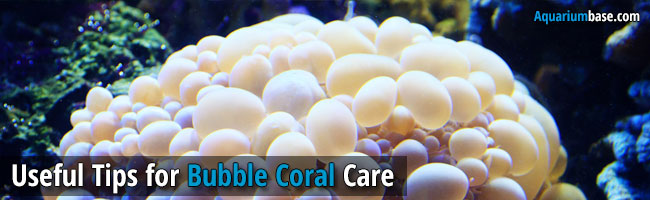
Useful Tips From Experts In Bubble Coral Care

By Aquabase | Last Updated Jan 20, 2019

Bubble Coral Care

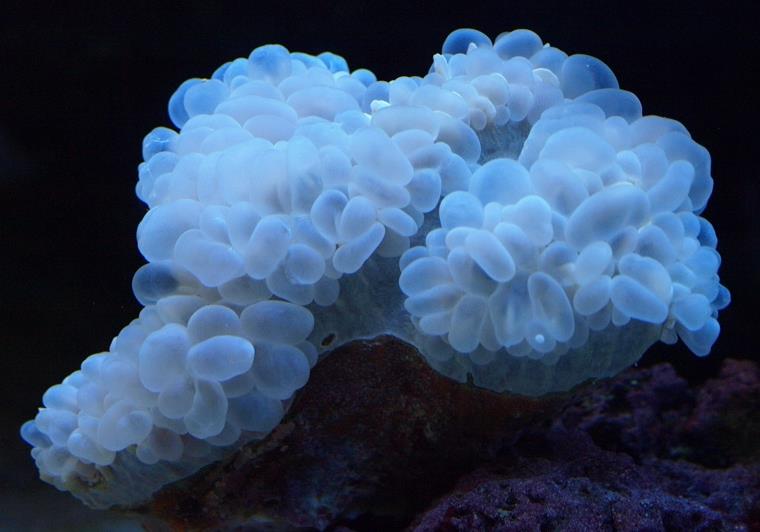
Bubble Coral is a beautiful living addition to a saltwater aquarium. Addition to the small saltwater fish and live rock, corals become a nice decoration for reef aquariums. But proper coral care has to be clearly understood before you add these living beings to your home tank. When you decide to add coral to a home saltwater aquarium, it is important to realize that coral is alive and requires the same level of care as your fish. So get up to speed on proper coral care before you take this beautiful creation home.

Bubble Coral Care and Placement

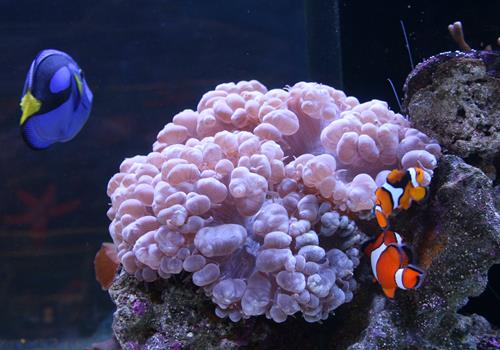
There are many different species of coral, but bubble coral is the species usually found in reef aquariums. There are three subspecies within the bubble coral family: grape bubble coral, pearl bubble coral, and simple bubble coral. Since all species of coral require the same type of care, we will go over the coral care requirements for the bubble coral in this article.

Bubble Coral Placement

Before you add any live coral to your home saltwater aquarium, you must consider a few things in order to place the coral properly within the aquarium environment. Bubble coral placement, for example, needs sufficient space because they possess long, stinging tentacles. Usually, their tentacles are retracted, but they extend after dark when the coral feeds. If you place another coral too close, they may be stung. It is recommended that all coral pieces in your saltwater aquarium be no less than 6 inches apart.

In addition to using care when placing coral inside your aquarium, you must also consider the amount of light and where it comes from. If the tube light in the aquarium hood is the only source of light in your tank, you want to be sure and place your coral near the surface so they will get sufficient exposure. If you have more than one light source in your aquarium, your coral should do fine just about anywhere.

Also keep in mind that bubble coral placement should not be placed close to the filter or any other source of movement within the water. This type of coral does better in areas where the water is relatively still. Too much water movement causes bubble coral to keep their vesicles closed, and this will eventually kill them.

Bubble Coral Care

Now that you know what you need to consider before placing your bubble coral in your home saltwater aquarium. Let’s move onto daily bubble coral care. As we said above, coral is a living creature. As such, it needs food to stay alive. Bubble coral eats shrimp or small bits of clam, and you should feed them one or two times per week. All you have to do is put their food on one of the polyps located along the coral, then your coral friend will trap the food in its tentacles or vesicles and gobble it right up. Overfeeding is unhealthy for both your coral and the other fish in your tank, so don’t do it.

It is vital that you keep your reef aquarium clean and free of algae because algae can cause damage or even death. Clean your aquarium on a regular basis, and you won’t have to worry about the effects of algae on coral at all. And, maybe you need saltwater clean-up crew to clean up your aquarium naturally. Flatworms can also be a problem for bubble coral. Flatworms create circle-shaped spots on the vesicles, but they are usually not dangerous or deadly. If your coral becomes covered with these spots, however, take care of the problem quickly before it gets any worse.

Coral is a beautiful living addition to your saltwater aquarium, but before you make this commitment you have to understand the special attention that coral requires. Thoroughly research whatever species of coral you decide on, and then make sure you take all appropriate steps before you add the coral to your aquarium. As long as you attend to proper coral care, you will treasure the coral in your tank.

  • bubble coral placement
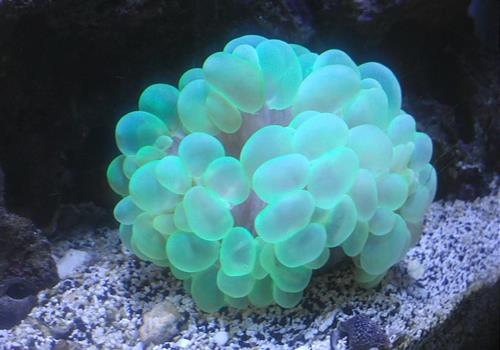
  • green bubble coral
  • pearl bubble coral
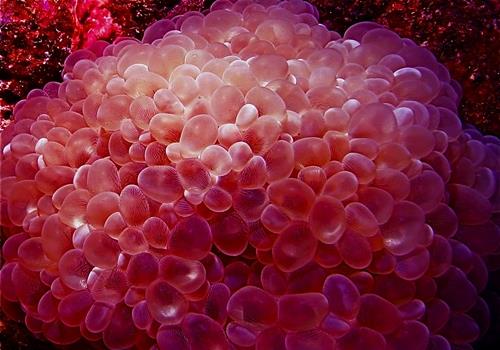
  • red bubble coral
  • white bubble coral

Care Level: Easy
Placement: Bottom
Temperament: Aggressive
Color Form: Green, White, Yellow
Lighting: Moderate
Waterflow: Low to Medium
Water Conditions: 72-78° F, dKH 8-12, pH 8.1-8.4, sg 1.023-1.025
Supplements: Calcium, Strontium, Trace Elements
Origin: Australia, Fiji, Indonesia, Maricultured – Tonga, Solomon Islands
Family: Euphyllidae

Types of Clownfish

By Aquabase | Last Updated Feb 6, 2019

types of clownfish

Nowadays, having an aquarium as the part of house decoration becomes the popular hobby found. The reef aquarium can make another artistic decoration of the room while some people also said that it brings the positive aura into the house. People can have a different choice about the type of fish that can be put into their reef tank. One of the common types of saltwater fish chosen by people is the Clownfish. When you like to have this species of fish, you also have more options to be chosen since there are so many types of clownfish in the world.

The reef aquarium can be placed inside your house also can be considered based on some measures. At first, you can choose between the large, small or medium size of your aquarium. The common design of the aquarium is the rectangular shape. Nevertheless, sometimes you also can find it in round shape especially for keeping the small fish. If you want to have the perfect house for your clownfish, you consider the large size.

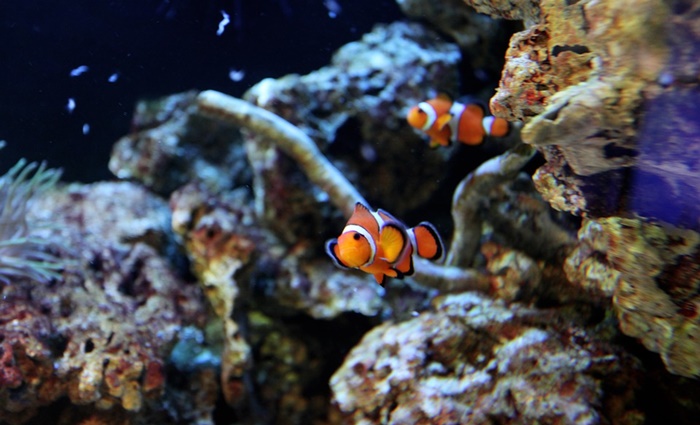
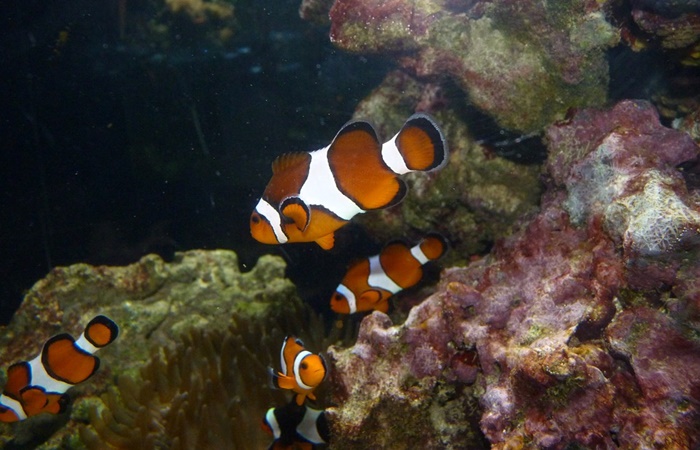
As you know, the Clownfish is also called an Anemonefish is a type of fish that lives in the saltwater habitats. Clownfish is one of the small saltwater fish. The colors are usually very bright, orange fish that has three white lines, one at the head, middle and also at the tail. The combination of the colors that they have made it a beautiful fish and very popular among hobbyists. If you look really closely, you may see that they have a thin black line around the white lines and on the tips of their fins.

Depending on species, Clownfish or anemonefish are overall yellows, orange, or reddish or blackish color, and many show white bars or patches. But there are only three commonest types of Clownfish that are very likable and very popular that we often see amongst aquarium hobbyists.

The most common types of Clownfish

Percula Complex

The Percula Complex has two common fishes chosen by people. The first type is the Percula Clownfish. This fish offers a beautiful appearance through its combination of orange, white and black color. The color combination makes the possibility of showing the most beautiful appearance especially when that is combined with certain aquarium decoration. This one actually becomes the most popular genus of clownfish not only because of its beauty but also because of its easiness to be found.

Ocellaris Clownfish
Colony Ocellaris Clownfish

The second type of this genus is the Ocellaris clownfish. This fish also has a nickname that is the False Percula Clownfish. In general, it has the similarity with the appearance of the earlier one. However, it has its specialness relating to the combination of orange and white color. The fish commonly has the dominant orange color combined with three white bands in three spots including its center body. That makes the whole appearance of the fish becomes more beautiful than the other ones.

Maroon Complex

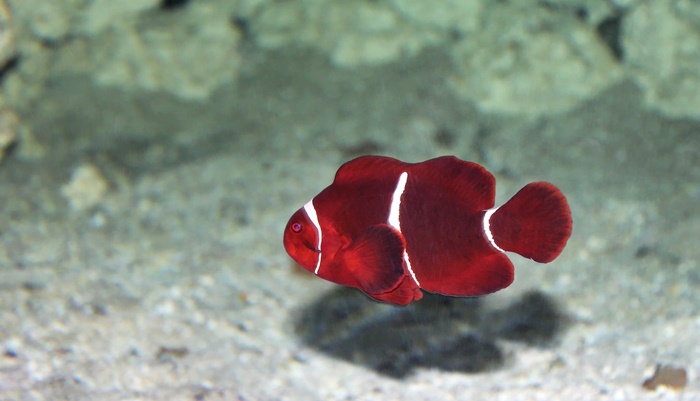
Different from the Percula Complex, the Maroon Complex type is more popular because of its dimension also of its beauty. Although, that does not mean this fish is not beauty since it also offers the unique combination between maroon color and commonly white color band. There is the touch of yellow color found in the middle of its bands. The stripe may be found in three spots. The fish actually is classified as the large fish. That makes the possibility of the fish to be one interesting fishes among some of the types of clownfish located especially in the large aquarium.

maroon clownfish
Maroon Clownfish

Then, the other type of this fish to be included into the variations of clownfish is the kind of gold maroon stripe clownfish. Similar to the earlier one, this fish also has the large body dimension. Some people assume that this one is more interesting especially because of the touch of gold color in its pattern. The dominant maroon color found on its body surface is combined with three bands color with gold color instead of white color. That makes the more beautiful appearance of the fish than if it is only decorated with white color.

Clarkii Complex Types

Among some other types of clownfish, this type is the genus that has so many variations. The variations include until 11 varieties and all of them commonly popular to be chosen by the hobbyist who has the hobby of including aquarium into their house decoration. However, among those 11 classes, there are the most popular ones to be mentioned. The first one is the type of Clark clownfish. This one is familiar through its combination between yellow, black, and white bands found on its body. The combination makes the soft appearance of the color to be used as the beautiful fish inside your aquarium.

Clarkii clownfish
Clarkii Clownfish

The next is popular but at the same time also is the rare one to be found. The fish is the allard clownfish. Different from the earlier one that has the dominant yellow color on its body, this one has dominant black color. That makes the whole appearance of the fish becomes more elegant too while at the same time it still contains its soft characteristic. People commonly like to place it in the small aquarium. Since this fish is the rare one, when you want to have this fish, you must prepare a lot of your budgets.

Two other kinds of the fishes that are included in this family are the two baranemone fish and the three bands fish. The first one is more familiar to be called as the red sea fish and it is popular because of its unique black spot on its skin. The next is popular because of its beauty golden yellow and black variation found on its skin. The fish also is popular because of its dimension that is relatively larger than other kinds of fishes from this family.

Saddleback clownfish in aquarium
Saddleback Clownfish and Percula Clownfish

Some Other Types of Clownfish

Besides of the species of clownfish mentioned above, there are also some other types of the fishes that can be said as the famous ones for being chosen to be placed inside your saltwater aquarium. The first one to be mentioned is the Saddleback complex type. This one is interesting especially because of its common handsome appearance. The fish from this genus that is often chosen by people is the kind of saddleback anemonefish. You can find this fish in the form of combination between black and white colors or between white color and black red color. Nevertheless, the latter is the rare case found.

The other type of fish that is also popular to be included into the types of clownfish is the kind of tomato complex. The one to be mentioned from this kind is the type of tomato clownfish. As it gets its name, the dominant color for the cat is similar into the mature tomato. One pattern that becomes its special offering for its beauty is the appearance of a white band color found below its eyes. That makes the whole appearance of the fish is really good looking. Based on that reason, this one also becomes one of the most popular clownfish chosen by people nowadays.

Best Saltwater Clean Up Crew Packages

By Aquabase | Last Updated Feb 6, 2019

saltwater cleanup crew

Base with our last article “3 Reasons You Shouldn’t Own a Marine Aquarium“, besides expensive, a seawater aquarium requires special treatment, in particular with the health of biota therein.

Well, there is one way to solve it. You need some saltwater clean up crew that can be cleaning up your aquarium naturally.

The saltwater cleanup crew is a composition of saltwater animal that consists of snails, crabs, shrimps, starfish, snail, and any more. It is needed if you want to build a reef aquarium. Having a reef aquarium for your house will give you a fresh and unique look. It will definitely give you beach of nuance that is fresh and fun. But the problem you will face when you have a reef aquarium is the cleaning time. You get challenged to clean the whole tank correctly and clearly. It is rather hard if you do it alone, so the best thing you can do is by adding saltwater clean up crew.

Even though you may face little trouble when cleaning your aquarium, having a saltwater cleanup crew is indeed helped you more. At the first time, you may never know that all of the living things inside the tank is arranged properly. Every living thing that lives in your saltwater aquarium is chosen carefully. Each of them has a task of cleaning as well as to beauty your aquarium. So, you cannot add any fish or any other sea living thing inside the tank. You have to choose correctly then it will give you some benefits. Adding saltwater cleanup crew will complete your reef aquarium existence.

Why You Should Add Clean Up Crew for Reef Tank

Why adding saltwater cleaner crew is important? Having reef aquarium may give you both happiness and whirl. Having saltwater aquarium means that you’ll see some grown algae and live rock. So by adding the saltwater clean up crew, it will help you as algae eaters. You will not have a hard time cleaning your tank since it has been done perfectly by the clean-up crew fish. They will do clean-up the detritus or the non-living organic matter that exist in the tanks. They also do sift through the sand and keeps the algae that live in the water always grow in control time every day.

They will act as the natural janitors which mean is really good and better than using the mechanical one. You may get an exciting finding that you can only add saltwater clean up crew into your tank. But something that should have known so well is what type of saltwater clean up crew you should take. You have to choose each of them carefully so it will not get overload and there will be out of food inside the tank. You have to select your team with careful consideration. Think back again that you have to control the water. The living you choose will depend on the gallon water you have.

Deciding the Best Living Things

Scarlet Shrimp saltwater clean up crew
Scarlet Shrimp

Clean up crew saltwater starting with shrimps, the shrimps can consist of cleaner shrimps. The cleaner shrimps you can choose is Pacific Cleaner Shrimp or Scarlet Cleaner Shrimp, which people usually recognize it as Red or Fire shrimp. This shrimp gives an excellent result of cleaning the leftover food as well as cleaning the parasites. They do control the saltwater as well.

Saltwater clean up crew will need crab as well. Some of the favorite crabs that people usually use are the Red-legged Hermit Crab and the Emerald Green Crab. Both of them gives the best appearance yet are beneficial for your reef aquarium as well. What you have to look out when you add the crab is they may give some problem for you as they grow bigger. Once they get bigger, they may make you some obstacle like finding not enough for them in the tank and find no exact size shells. Especially for the Hermit crab, they may kill the other crab to take out their shells due to they do not find any proper shells for them.

Therefore, the best way is choosing the small size of the crab. Another one that you can choose is the Sally Lightfoot Crab and the Blue-legged Hermit Crab. Another clean-up crew you will need is starfish. Brittle starfish, this starfish has a black color that looks beautiful. With their camouflage color, they can hide in the rocks and the crevices perfectly. But you have to choose carefully since many people who are not expert yet get wrong to pick Serpent starfish as the Brittle one. The Serpent starfish is not one of the clean-up crew. Besides, this starfish needs more careful handling as well.

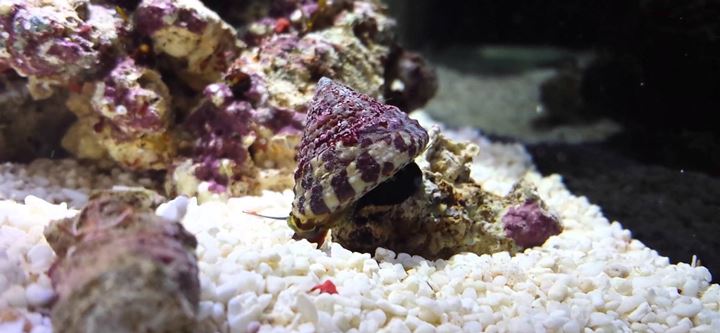
Trochus snails in marine fish tank cleanup crew
Trochus Snails

The saltwater clean up crew will need sea water as well. In addition to shrimp and starfish, the snail is very useful as a saltwater cleaner. The most favorite one is Turbo snail and Trochus snails. The turbo sail has a large size. They can eat algae properly. Although they can help you to control the algae very well due to the big size, it may give you some problems such as have not plenty of food for them, and they may topple the live rock inside the tank. So, it may be much better if you pass the Trochus one than the turbo snail. Trochus has a smaller size. They will not bring your rock down. They are safe, and the happiest thing is they eat the algae so well!

What Number You Should Add in

Having saltwater clean up crew will give you may beneficial side. But you have to make sure that you already set the right amount of the living things. You cannot add them all at once nor just add them in without having the exact number of quantity. You have to add to carefully. You have to think about your water gallon inside the tank. Use a number of gallons to set the right quantity of your clean-up crew. If you have reef aquarium that consists of more than 50 gallons, then you can count your living things starts from this point.

If you want to add turbo snail in your tank, then you can only add one for 50 gallons or not less than 30 gallons. The Trochus that you can add existed at one piece each 5 gallons. The emerald crab that you should put in is one per 25 gallons which means you can add two pieces of emerald crabs for your tank. The hermit crab you can add is one per 5 gallons. You can add more if you want it. IIf they grow large, they may give you problems, but if you can overcome this point, then it is okay.

Saltwater cleans up crew like Brittle starfish need to exist. You can give 1 Brittle starfish per 25 gallons. It means you can add two starfishes for your 50-gallon tank. Do not worry if you have set yourself to rear reef aquarium, you will build it perfectly as long as you know about the rule and know about several things that hold an important role. Having seawater aquarium may give you joyful feeling. You can see many beautiful fishes swimming around. But you have to remember that you must add clean-up water since they hold an important role in making your tank looks clean every day.

17 Essential Equipment for Saltwater Fish Tank Setup

By Aquabase | Last Updated Mar 3, 2019

saltwater fish tank setup
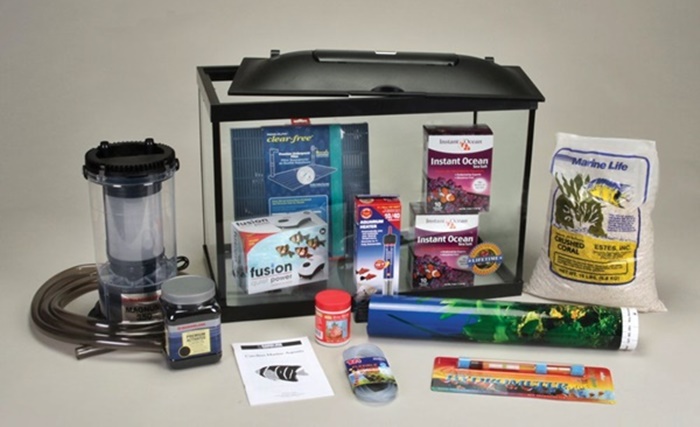
Saltwater aquarium kits

So you’ve decided to enter the wonderful world of saltwater reef tank ownership? Please read this article “3 reasons you need to know before setting up a reef tank“ before you continue reading this page.

So, if you are already convinced to start a saltwater aquarium, please continue reading essential equipment for saltwater fish tank setup below.

Editor’s Pick
Marina LED 20 Gallon
Marine Aquarium Kit, Basic, 20 gallon

Now it’s time to start assembling the required equipment to get your saltwater tank ready for fish. I’ve assembled a list of the essential things you’ll need to get your saltwater fish tank setup running properly. There is always some disagreement over what is essential and what isn’t, but I think this is a pretty good list of the “must-haves” for setting up a saltwater aquarium kit.

1. Ground Fault Circuit Interrupter (GFCI) – Water and electricity don’t mix. Be sure you install one of these in any wall outlet you’ll be using for your tank. Technically, this is not essential as you can just plug things into any wall outlet, but it’s not worth the risk. A GFCI can be a life saver.

2. Power strip/surge protector – Between heaters, lights, skimmers and more you’re going to need more than two outlets for your required equipment. Invest in a good power strip so you can plug in all your equipment, and that also has surge protection functionality to keep supplies from getting fried.

3. Tank – Can’t have a marine fish without this one! My advice is to get the largest size tank you can afford, 20 gallons maybe right for the beginner to start.

4. Tank stand – Before continued your reef tank setup, you need the best aquarium stand because when you fill them up with water, your tanks can get very heavy, so need to make sure you have your tank on a solid foundation. Our recommendation, you can use Petco Brooklyn metal aquarium stand for the best aquarium base cabinet. Besides, salt water tanks will leave salt residue around the outside, so putting them on furniture or a counter may get messy and cause corrosion.

5. Reverse Osmosis Unit or Deionizer – Tap water won’t cut it. You need water that’s passed through an RO unit or deionizer to ensure good water quality for your marine tank, and it’s occupants.

6. Salt mix – You can’t have a saltwater tank without the salt! There are several salt mixes available that provide the salt and other essential elements your tank inhabitants will need.

7. Hydrometer – This handy little device will let you measure the specific gravity of the salt water so you can make sure it’s at the proper level.

8. Test kits – Saltwater fish are very sensitive to water parameters, so it’s important on saltwater tank setup to stay on top of things and monitor water quality on a regular basis. At the very least you’ll need to test for pH, ammonia, nitrates, and nitrites on a daily basis. You could bring water samples to your local aquarium shop, and if they’re nice, they’ll test for your for little or no charge. However, during the initial cycling, you should be testing the water on a daily basis, and it will be pretty inconvenient to bring water samples to the shop every day.

9. Buckets, Towels, Rubber Gloves – It can get wet and messy maintaining a reef tank so having buckets and towels on hand is a must for water changes, cleaning, new arrivals, etc. The gloves protect both you and the inhabitants of your tank.

10. Substrate – Not technically a have to have, but you’re probably going to want either live sand or crushed coral on the bottom. Various types of substrate you can use when setting up a marine aquarium. The most important point on building a reef aquarium is that sand is natural, your tank inhabitants will feel at home among the sand. Sand is also more aesthetically pleasing than gravel.

11. Live Rock / Decorative rocks or coral – your fish will need some stones or other decorative materials in the tank to give them a place to hide and feel safe. Also, read how much saltwater live rock you need.

12. Heater – Since you’re probably going be keeping tropical species of fish, you’ll need a good aquarium heater for saltwater to make sure the water is warm enough for them.

13. Thermometer – Because you’ll need to know if that heater is doing its job or not.

14. Lights – There are some lighting options to choose from. Your choice will depend on what you’ll be putting in the tank (i.e., a fish only will not require the light intensity as a reef tank with live rock and coral). Read our latest best reef led lighting review that suitable for the saltwater aquarium.

15. Powerhead – A good powerhead will create strong movement in the aquarium water. This important because it mixes the aquarium water, eliminates dead or stagnant areas and helps keep your fish healthy. You may also want an extra powerhead to use when mixing salt for water changes.

16. Protein Skimmer – Skimmers remove organic waste from your aquarium before they can break down and turn into nitrates which are bad for saltwater aquarium fish. Protein Skimmer also is known as foam fractionating is one important aspect of keeping your marine tank happy and healthy. If you want to keep your dissolved organic compounds (DOCS) to a minimum, you will need to invest in a quality protein skimmer.

Editor’s Pick
SCA-302 protein skimmer
SCA-302 – Best Protein Skimmer Today

Skimmers collect unwanted organic compounds before they begin to rot and raise your ammonia, nitrate, and nitrite. A protein skimmer is one of the most important things you can get for your saltwater fish tank setup, it physically pulls the “gunk” out of your tank, and after a month of use and seeing all of the stuff that collected it you will quickly find how expensive this piece of supplies salt water systems is.

17. Fish – You can’t have a beautiful reef aquarium without the fish! Be sure to choose carefully and make sure you don’t overcrowd your tank or get species that aren’t compatible.

11 Steps Saltwater Tank Setup for Beginners

By Aquabase | Last Updated Feb 10, 2019

saltwater tank setup
Beautiful saltwater aquarium setup

This guide for anyone interested in learning how to make a reef aquarium. A saltwater tank setup is not always difficult, it just to learn and know what it takes to have a healthy saltwater aquarium. Here we discuss guide to starting a saltwater aquarium.

Step by Step Saltwater Tank Setup for Beginners

1. Planning

The most important step in how to make a saltwater aquarium is planning. It takes a lot of time and money to set up and maintain a marine fish tank. Not planning correctly can sabotage your efforts and cost you a lot more time and money than need be.

During the planning stage, you’re going to want to decide what type of marine aquarium tanks you want. Will it be fish only? Fish and live rock? A reef tank with some fish and corals? Figuring this out is going to set the table for the rest of what you do during the setup process. It is also going to dictate what type of filtration and lighting systems to use in your aquarium.

2. Choose a Fish Tank Size and Finding the Perfect Location

Editor’s Pick
fluval evo 13.5 dimensions
New: Fluval EVO 13.5 Gallon Aquarium All In One Marine Kit

When it comes to saltwater fish tanks, it’s better to go bigger – especially when you’re a beginner. I’d recommend getting the biggest size aquarium you can afford. Besides money, the type of tank and livestock you plan to put in it will have a bearing on the fish tank sizes. If you think to get large angelfish, triggerfish, or sharks, you’re going to need a bigger tank than if you just want some small damselfish or clownfish and live rock, 20 gallon aquarium is perfect for starting your first reef aquarium. For the bigger tank, you can try this beautiful reef tank Red Sea Aquarium Kit.

The location is another important decision on saltwater tank setup for beginners. First, an aquarium filled with water can weigh hundreds of pounds. Once you select a place, it’s not going to be easy to move. So find a spot that can support the weight. Also, take into account easy access to electrical outlets, locations of heating/cooling vents that could affect the temperature of the tank, windows that could cause the tank to get direct sunlight which can cause algae blooms, and closeness to water sources.

3. Purchase Equipment

Need a list of what to get? Check out our recent post the 17 essential aquarium equipment you need for saltwater fish tank setup.

4. Test the Tank

The last thing you need is to fill your tank with salt water and then have it leak all over the floor because of a small crack (I had this happen with a 55-gallon freshwater tank once – it was a mess with freshwater and saltwater would be infinitely worse!). Fill the tank to the top with fresh water and leave it outside or in a bathtub, in the garage or shower for a few days and make sure the water stays on the inside of the tank!

5. Prepare the Tank

Put the tank in its permanent location and make sure it’s level. Next, put all the equipment – sump, heater, filter, powerheads, etc. in place.

6. Fill ‘er Up – Part Way

Once you’ve tested the tank, fill it up by mixing water purified with Reverse Osmosis or RO/Deionization Filter with a salt mix made specifically for a saltwater aquarium. You can either mix this in buckets before putting it in the tank or add the water to the tank first and then add the salt mix to the tanks. Be sure to use a hydrometer to make sure the salinity is at the right level.

7. Add Your Sand/Live Rock/Aquascaping

When your tank is filled between 1/2 to 3/4 of the way up, add saltwater substrate to the tank, whether it’s crushed coral or live sand. Once that’s in, add a live rock or whatever decorations you have for aquascape if you’re not using live rock.

8. Top ‘er Off

Fill the tank the rest of the way.

9. Turn Everything On

Once the water is in, turn on your filter, heater, skimmer, powerheads and any other equipment you have. Let it all run for 72 hours and make sure it’s functioning correctly.

10. Let the Tank Cycle

The cycling process of a new saltwater aquarium can take up to 6 weeks. There are a few ways you can help the process along. One way is to add one hardy fish like a damsel to the tank to get some biological activity going on. Or you can put some frozen fish food in the tank as well (if you have live rock, you don’t need to do this).

There are a few things you’ll want to keep a close eye on as your reef tank corals cycles. First, watch the temperature and salinity levels carefully. Make sure they stay in the acceptable ranges (1.023 to 1.026 for salinity and roughly 75F – 80F for temperature) and that they remain stable. Also, during the cycling process you’ll want to check the water chemistry every 1 – 2 days. Your tank is done cycling once the levels of ammonia and nitrite are at 0.

11. Add Your Salt Water Aquarium Fish/Corals

Finish your saltwater tank setup – Once your tank cycled, it’s ready for the livestock. You may want to add a cleaning crew first (snails, crabs, etc.) and then start adding saltwater fish. Just be sure not to add too much too quickly. It’s better to take it slow and let the filtration build up to be able to handle the new inhabitants in your reef tank adequately.

Also, if you’re planning to add corals and anemones, it’s considered better by many to wait at least a few months and let the tank mature a bit before adding them to the mix.

Benefits of Saltwater Live Rock for Aquarium

By Aquabase | Last Updated Feb 10, 2019

saltwater live rock in aquarium
Photos by Wikipedia

These live organisms are of good value for your fish tank or aquarium because they make an incredibly natural environment for your fish. Live rock will have crabs, algae, worms, shellfish as well as bacteria, and all these will be moved to the aquarium to form an environment as close to the real deal as practical. Saltwater live rock is the one that is most assured to offer you as many organisms as possible. Live rock has made it simple for many of us to keep saltwater aquariums.

Benefits of saltwater live rock for your tank?

  1. It acts as the primary filter for your fish tank. Live rock in aquarium looks just as you see it out at sea or in the ocean; it’s full of little holes and nooks and crannies and is penetrable. This indicates that when water goes thru it, waste gets caught in the rock. You may still need a great fish tank filter for your aquarium, but this as the first step in filtration is significant because the live rock has so many additional benefits.
  2. Live rock, due to the nature of its surface, has a big size. This surface area supports the growth of both aerobic and anaerobic bacteria. This is an alternative way that it acts as a filter “it permits natural growth of all kinds of beneficial bacteria! The bacteria are critical for converting ammonia to nitrates and then to nitrogen, a harmless gas that may leave the tank from the water surface.
  3. Fish like to play. Live rock supplies them with a fascinating playground where they can hide. They can go off in the live rock for some quiet time too when they don’t want to be troubled.
  4. Live rock in the aquarium could be a source of food for some categories of small saltwater fish as well as other invertebrates that are in your tank. The fish may consume bits of it, but the saltwater live rock will also contain little organisms the fish can eat.
  5. Saltwater Live rock will make your reef fish tank look prettier. And not only the rock but the algae that grow on the rock is beautiful as well. You will get a lot of pink and purple crystal-like algae growing on live rock.
  6. The Aquarium live rock after it’s cured and in your tank, springs new organisms. These can be adapted and fascinating and will add life to your fish tank. You might spend longer taking a look at these new organisms than at your fish!
  7. Aquarium live rock gives your saltwater aquarium a rather more natural look. You can compare it to a freshwater aquarium that is well planted.

How Much Live Rock Should You Put into Your tank?

The amount of saltwater live rock that you put in your aquarium will determine the length of the nitrogen cycle in your water tank. 1 pound per gallon of water will usually do for a regular fish tank. If you do not have an aquarium filter, you could need a bit more. It is highly recommended though you get a filter “live rock is designed to exist in a way more extended environment where filtration occurs naturally as there is a lot of room. Space is rather limited in an aquarium and waste will have a tendency to collect much faster. This waste can be too much for your live rock to handle.

Adding more fish in the aquarium also suggests more waste, and there is a fixed amount aquarium live rock that you can put in without squeezing your fish out. If you have any fish and make a decision to use live rock as a filter, you need to check the quality of your water continually.

You want to have the best experience possible with your water tank. That suggests maintaining healthy fish as well as making sure that your aquarium looks fantastic. Aquarium live rock will certainly give you a reinforced experience.

How To Set Eco-Friendly Marine Aquarium and Looks Amazing!

By Aquabase | Last Updated Jan 21, 2019

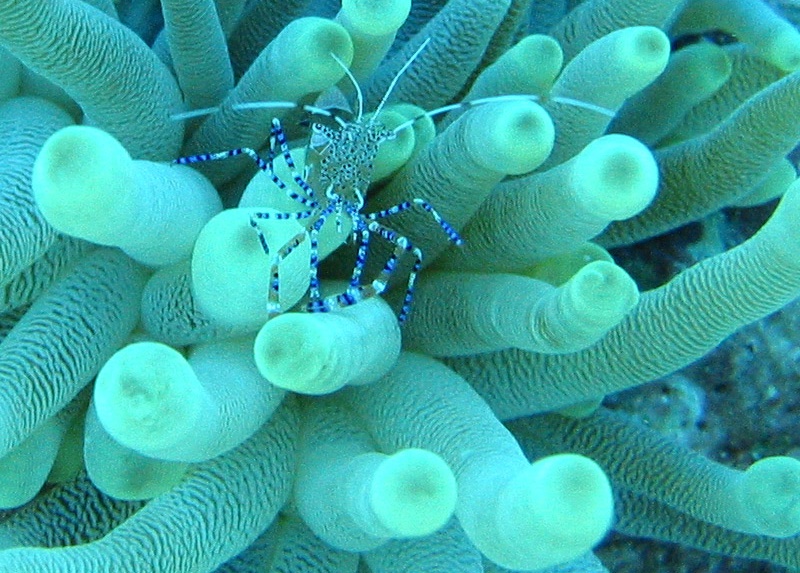
Spotted cleaner shrimp

As we discussed in the last post on three reasons you might not want to own a marine aquarium, there is a very real negative environmental impact that the salt water aquarium trade has on coral reefs. Most of the fish, live rock, and invertebrates and a good percentage of the corals sold today come from the wild. The collection of these wild specimens and the collection methods themselves can have a devastating impact on the reef.

However, it’s possible to stock a thriving a fish tank made up exclusively of aquacultured or captive raised fish, live rock, and corals.

Besides the benefit to the environment, there are other to stocking you tank with captive bred specimens. These advantages include tank inhabitants that are:

  • Hardier and better adapted to living in a marine fish tank
  • Easier to feed
  • Not as aggressive as wild caught specimens
  • Less likely to have parasites or harbor infectious diseases

The good news is that if you’re looking to set up a marine fish tank that’s environmentally friendly and looks great too, it’s not too difficult to do. The number of captive bred and aquacultured livestock available for salt water fish tanks is expanding at a healthy clip.

clownfish live rock and corals

Here’s an overview of the types of aquaculture options you have for your saltwater aquarium:

Live rock

While most live rock still harvested from the wild, it is possible to purchase aquacultured live rock. I’ve done this before and was very pleased with the quality of the rock that shipped to me. The rock had beautifully colored pink and purple coralline algae, small coral and anemone polyps, plus some an urchin and small crab hitchhiked their way along as well. I got this shipped from Tampa Bay Saltwater and would recommend them to anyone looking for high-quality live rock for their saltwater aquarium.

Salt Water Fish

Less than 10% of saltwater fish are captive bred. However, advances are being made, and you can still get an excellent selection of fish to populate your aquarium by selecting from the captive bred options. For example, most Clownfish (a very popular aquarium species) as well as Neon Gobies and Dottybacks, are aquacultured. You may be able to find these aquacultured species at your local fish store (they’re usually labeled “tank raised” or “captive bred”). If not, you can order them online from various sources.

Corals

Probably around 1/2 of all corals sold today come from the wild, for example, Bubble Coral. However, the percentage of hard and soft corals that come from individuals and companies that use fragmentation to grow corals for resale is increasing. It should be pretty easy to find a wide selection of aquacultured corals for your tank. Again, you can check with your local fish store or find some site online that sell them. Also, you can search out a local marine aquarium club and see if any of their members have corals they’ve propagated that they’re interested in selling.

Invertebrates

Other than some species of clam, it’s still pretty difficult to find aquacultured inverts for the marine aquarium. Hopefully, this will change shortly.

While aquaculture species usually cost more than their wild-caught cousins, you’re rewarded with hardier specimens that are better for the environment. And with the options of fish, corals and live rock that are available, you can put together one incredible looking reef fish tank made entirely of captive raised specimens!

3 Reasons You Shouldn’t Own a Marine Aquarium

By Aquabase | Last Updated Jan 21, 2019

Clownfish on Reef Aquarium

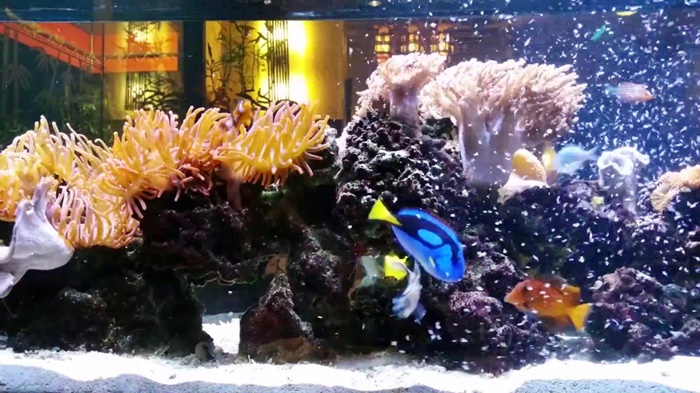
Setting up and maintaining a saltwater reef tank ain’t easy. And the responsibility is one that many people can’t handle. This post is written to help you decide whether an owning one is a good fit for you or not. Here are three reasons you may want to go the aquarium or fish store to admire saltwater fish tanks instead of owning one yourself.

Why You Shouldn’t Owning a Saltwater Fish Tank

1. Cost

Setting up a reef tank can get very expensive. Sure, they sell marine aquarium kit that includes all-in-one packages that supposedly include everything you need to get started, but starting small is not the way to go when talking marine tanks. You’ll want at least a 30-gallon tank to start.

Factor in the stand (unless you have some sturdy furniture you’re willing to sacrifice), salt, protein skimmer, fish tank filter, aquarium heaters, air pump, powerheads, test kits, also live rock, substrate, fish, etc. things add up very quickly. It’s not uncommon for a decent size set up to run into the $1000+ range just to get started.

You can save yourself some money on start up by buying a used tank. There are a lot of people who have begun a marine aquarium and for whatever reason want to get rid of it. Not that taking this route doesn’t have its risks, but you can save some money by looking at Craigslist, eBay, Amazon or other sites for used aquarium equipment.

In any case, this is not a cheap hobby so make sure you’re going to have the capital necessary to support your tank and keep the inhabitants healthy.

2. Time

Besides money, it takes a lot of time to setup and maintains a reef tank. In the beginning, there’s a tendency to try to rush things because you’re so excited about your tank you want it teeming with life as quickly as possible. But you need to have some patience and let the tank cycle (which can take a month or two), do daily water tests, and make sure the water chemistry is stable and ready to support living creatures.

Then once that’s set up, the real time is in the regular maintenance a marine tank requires. Monthly water changes, cleaning the glass, removing organic debris from substrate/rock, cleaning the salt residue off the tanks and surrounding areas, cleaning the filter, and the list goes on. This can get overwhelming but letting things go for even a month or so can have devastating consequences.

3. Environmental Impact

After dealing with the issues of time and money, we get to more of a moral reason you may not want to own a reef aquarium. The fact is, the marine aquarium hobby has had a devastating impact on reefs around the world.

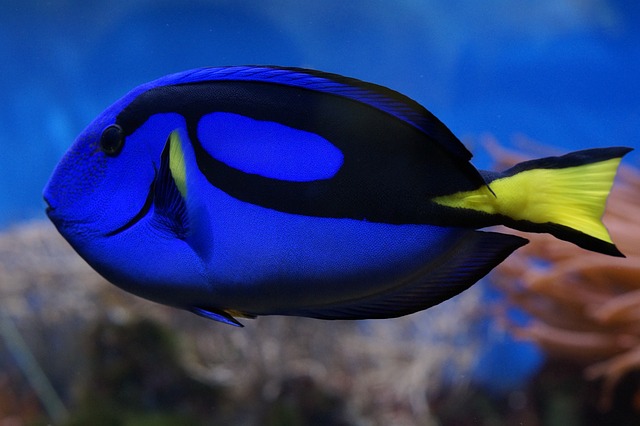
Blue Tang fish

While freshwater fish are relatively easy to breed in captivity, saltwater fish are not (at least not yet). So most of the specimens you see in the fish stores were snatched from the wild. The practices used to collect reef fish such as using toxins to “stun” the fish to make them easier to catch can have terrible impacts on the reef and all its inhabitants, not just the fish. Many fish are killed by these collection methods or die after capture before even reaching your local fish store.

And it’s not just the fish. Most of the invertebrates in the reef aquarium trade are also taken from the wild.

While some people are working on raising marine aquarium fish and other tank inhabitants in captivity, there’s still ways to go.

What To Consider When Buying Saltwater Tank?

If you are interested in getting a saltwater fish tank, it means you probably want to have a load of lovely tropical fish in your home. But be warned they take more care than a freshwater equivalent. When choosing your new purchase, always buy the biggest tank you can afford assuming you have sufficient space available.

They come in either glass or acrylic, but I would always choose the glass tank. It is easier to clean, won’t discolor with age or sunlight and is scratch resistant. People will tell you to choose acrylic as they weigh less but I don’t think that matters. Regardless of what type of marine aquarium you buy, you will want to stand it somewhere very secure so that it doesn’t fall over or lean to one side causing a break or leak.

It doesn’t matter whether you buy the glass or acrylic version; never buy your fish at the same time. A saltwater fish tank has to settle before you move the fish into it. This process takes time and should not be rushed. You will need to check your nitrate levels and gravity. Don’t skip these steps as otherwise, you will kill the inhabitants of your tank. You will have wasted your money and killed these beautiful creatures at the same time.

You should check your tank on a daily basis and make sure that all the fish are accounted for and looking healthy. If you notice something is wrong i.e. the fish are not behaving as they would normally then you need to check and find out what is causing the problem.

The water could be too hot or cold, lacking oxygen or have too many nitrates in it. You may have overfed the fish or starved them. It is important to keep an eye on the inhabitants as it is only your vigilance that keeps them alive.

So if you decide you have the time and money to devote to a marine fish tank, please consider the environmental impact of your hobby. In an upcoming post, I’ll be talking about this a little more and providing some resources on how to set up a more environmentally friendly marine aquarium tank.

Primary Sidebar

Search Here

  • Facebook
  • Pinterest
  • Twitter

Disclosure

This post contains affiliate links. For more information, visit my disclosure page.

As an Amazon Associate I earn from qualifying purchases.

About Us

We are here to help you choose the right “Aquarium Equipment” by creating original reviews on which “Aquarium Supplies” are better for their value.

Our main aim is to help you to choose the right fish, equipment, tank, articles reviews both freshwater and saltwater aquariums.

Aquariumbase.com is a participant in the Amazon.com Services LLC Associates Program, an affiliate advertising program designed to provide a means for sites to earn advertising fees by advertising and linking to amazon.com, amazon.co.uk, amazon.ca, and any other website that may be affiliated with Amazon.com Service LLC Associates Program. Amazon and the Amazon logo are trademarks of Amazon.com, Inc., or its affiliates.

As an Amazon Associate I earn from qualifying purchases.

Copyright © 2026 · AquariumBase

We use cookies to ensure that we give you the best experience on our website. If you continue to use this site we will assume that you are happy with it.AcceptRead more